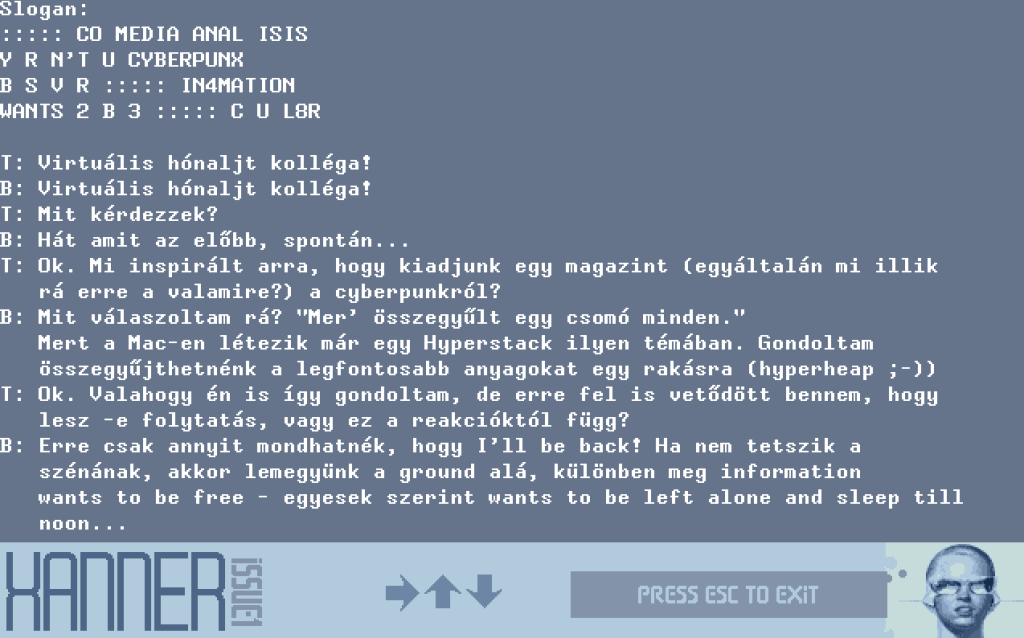
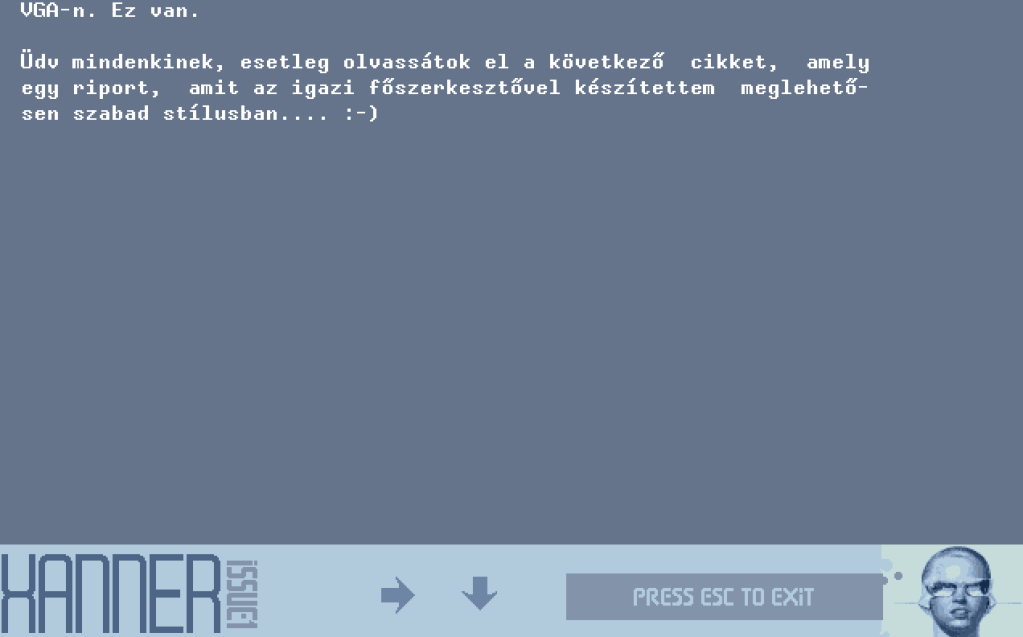
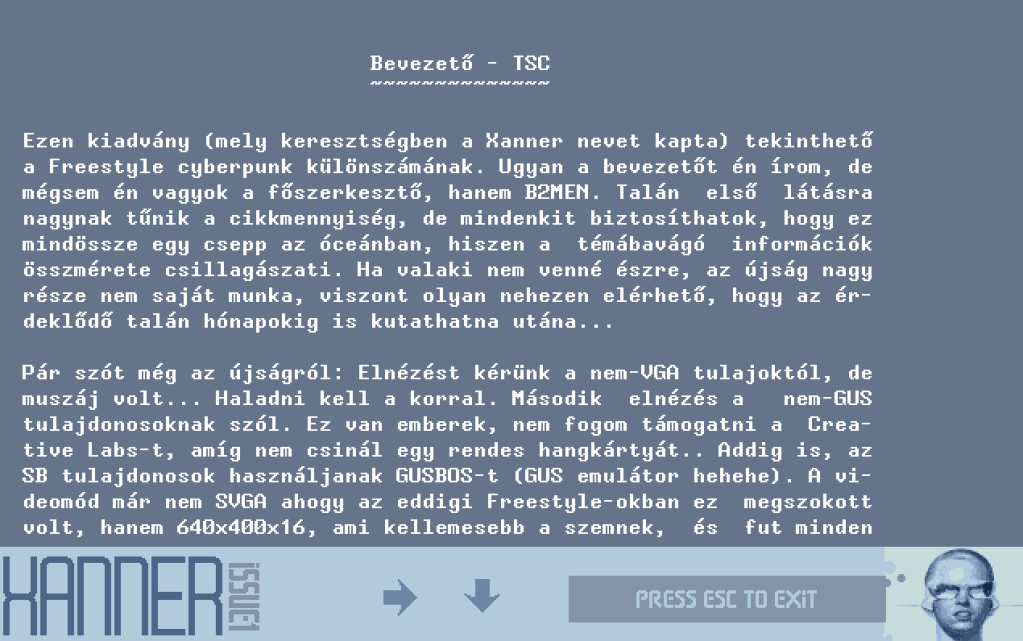
One of the earliest experimental digital periodicals in the Hungarian cultural field in the 90s, called Xanner was inspired by the Californian cybercultural magazine, Mondo 2000, published between 1984-1998, which also served as a prototype for Wired. The idea of Xanner was conceived by five university students (Tibor Gémes, Dániel Molnár, Gábor Pávlicz, Balázs Szörényi, Ákos Zsíros) in Szeged, Hungary, to distribute information on digital- and cyberculture in Hungary, following Mondo 2000’s anarchic-subcultural approach. Xanner was published in early 1994 as a diskmag, a disk magazine on floppy disks, an innovative way of sharing magazines in electronic format in the eighties and early nineties. By the end of 1994, the content was also published on the web.
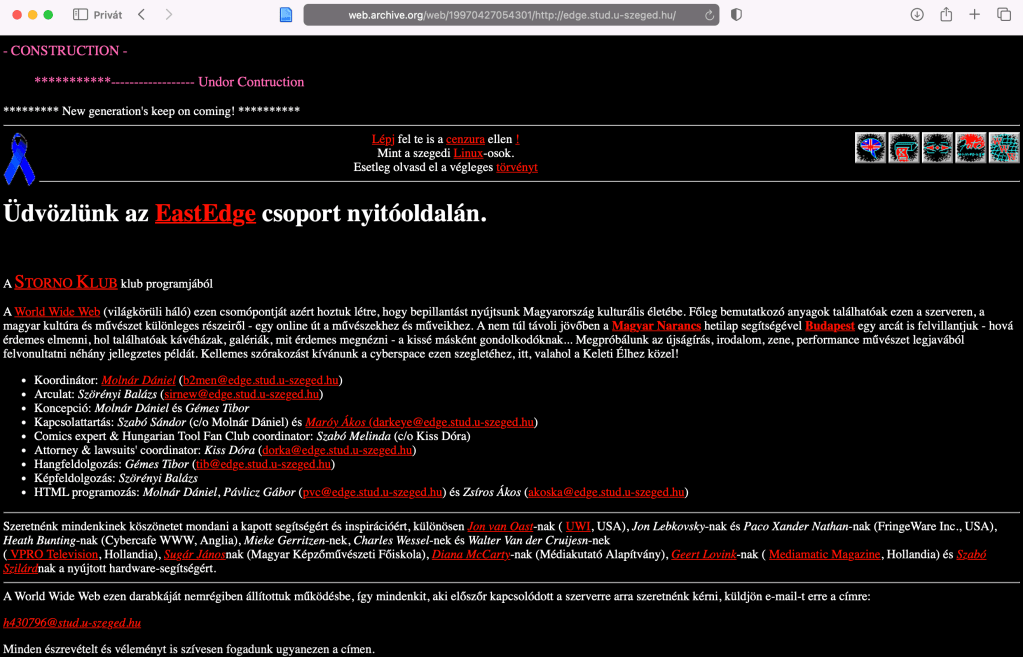
The founders were primarily interested in the international cybercultural movement and called themselves the “East Edge group”, reflecting on the peripherality of the Hungarian cultural field. In their registry document, the group defined their mission as the aim of “reconnecting Hungary to the global cultural circuit”. The utopian atmosphere of the transitional period not only offered the transgressibility of the geographical borders but also promised the possibility of balancing centre-periphery relations within the cultural field. The members of the East Edge group – referring to themselves as “cultural information providers” created the first digital medium for cyberphilosophy in Hungary, publishing and self-translating texts from Bruce Sterling or Hakim Bey. Although Xanner was only distributed in an underground way among friends, the East Edge group managed to maintain a significant position in the regional digital cultural scene forming around the mid-nineties. The connection to the international field was supported by the participation at the MetaForum conference series, organized at the Hungarian Academy of Fine Arts between 1994-96. Besides internationally recognized artists, activists and theoreticians of digital culture, the founders of Xanner represented Hungarian digital culture, maintaining a critical attitude towards technology. Unfortunately, both in the case of Xanner and MetaForum, the early enthusiasm toward connecting the Hungarian community to global cultural discourses soon faded away. However, as an experiment with the format of the ‘cultural diskmag’, Xanner can be considered an instant reaction to the availability of new digital technologies within the cultural field, establishing a community at the threshold of cyberculture and contemporary art.

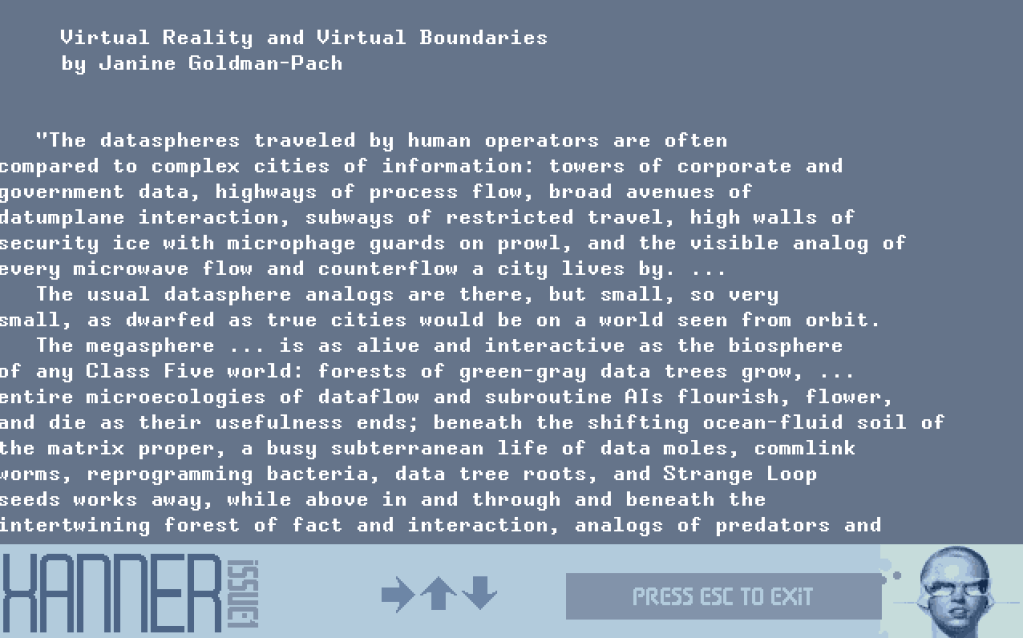
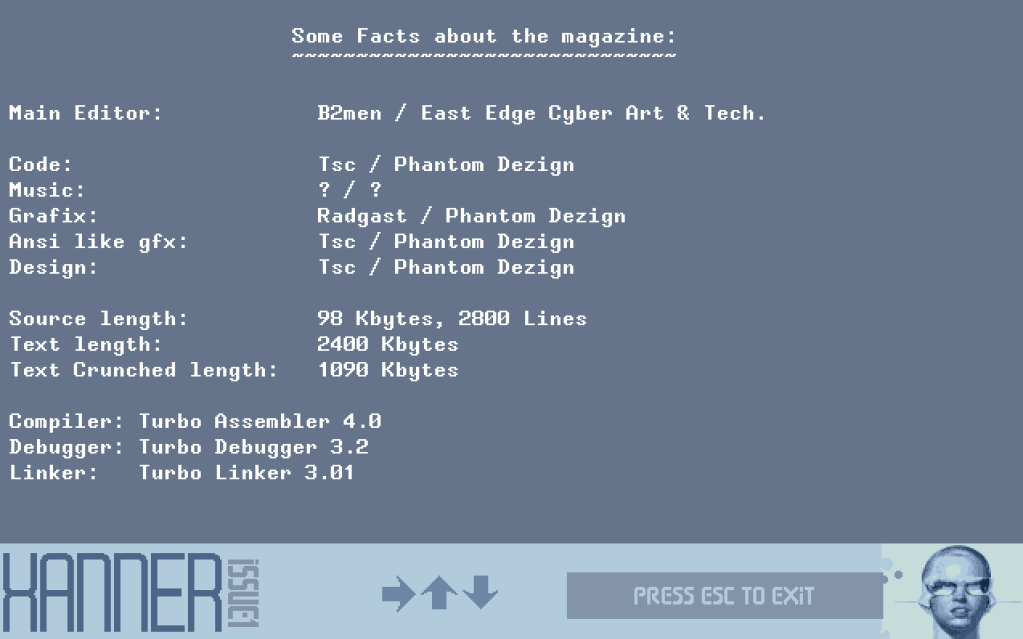
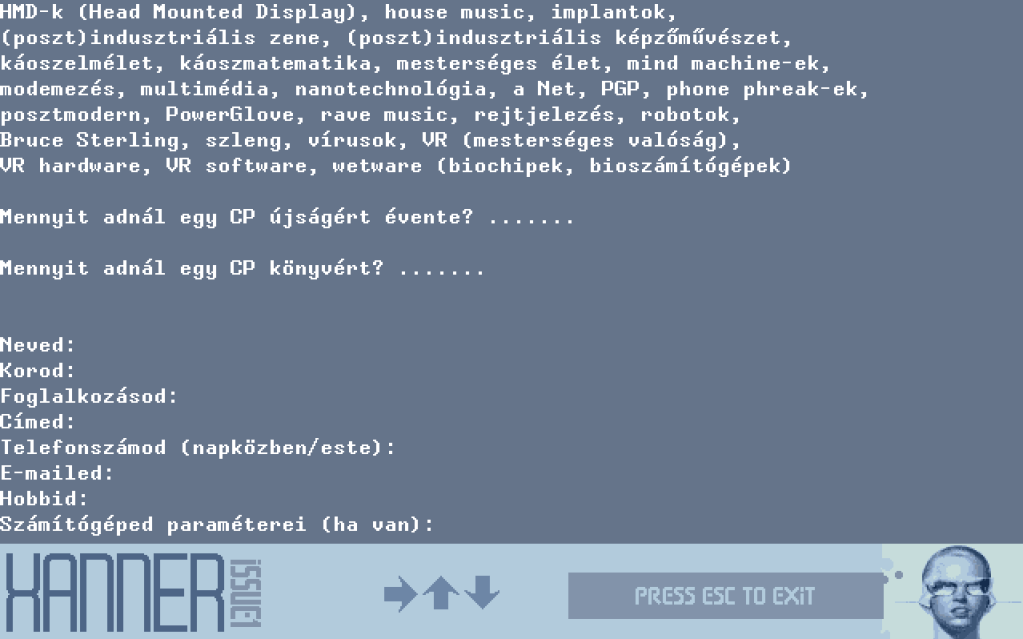
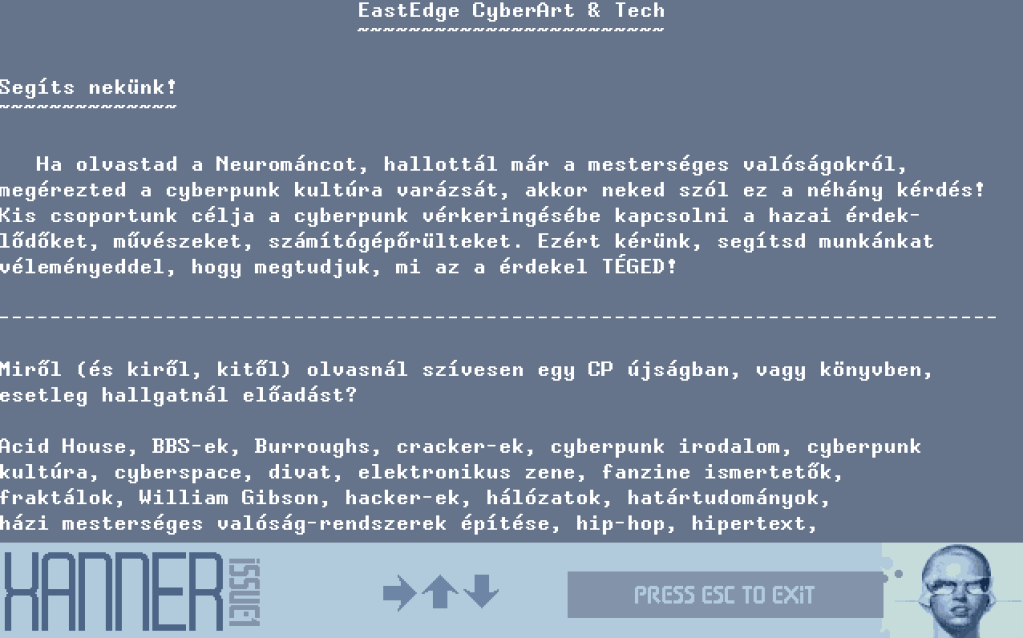
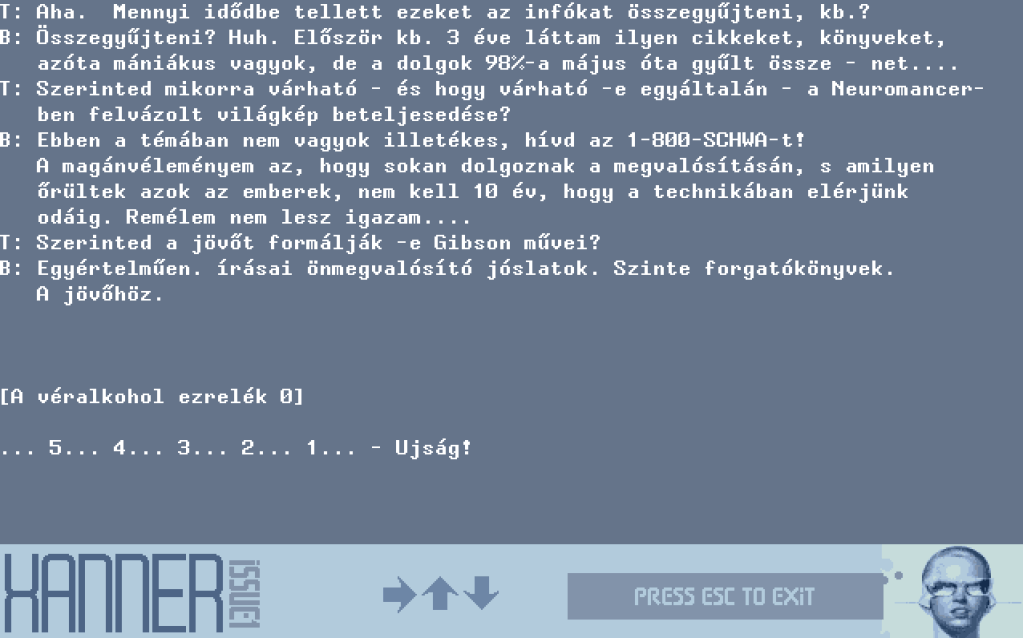

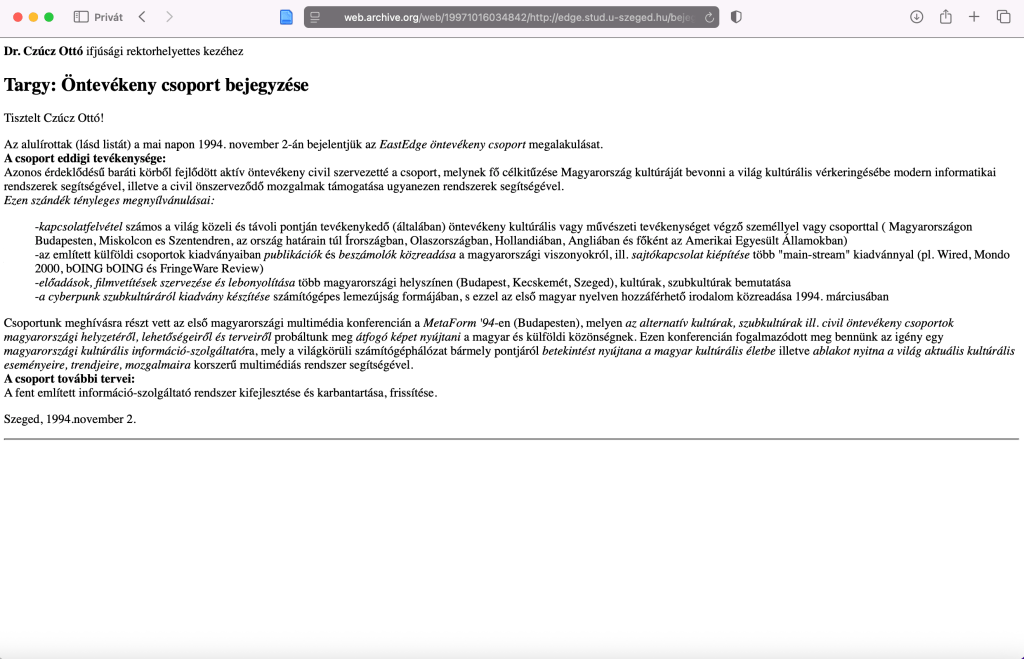
URL: https://web.archive.org/web/19970427054301/http://edge.stud.u-szeged.hu/